What makes Hermès sandals a capsule wardrobe staple?
Hermès sandals are a capsule staple because their clean silhouettes, premium leathers, and neutral colorways deliver maximum outfit mileage with minimal effort. They bridge casual and polished looks, adapt across seasons, and pair with everything from linen trousers to midi skirts.
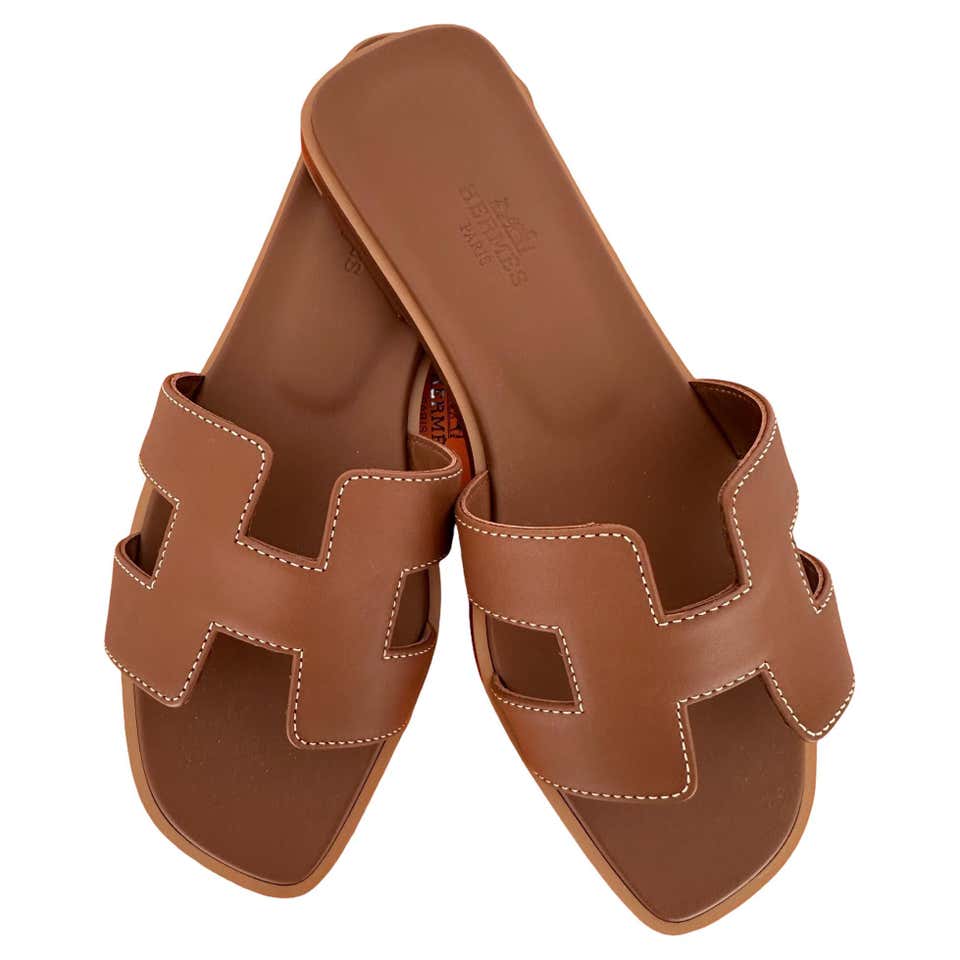
Hermès sandals—most notably the Oran and Oasis—offer a restrained design language that reads luxury without shouting. That restraint is exactly what you want in a capsule: pieces that repeat well and don’t compete with other items. The brand’s color vocabulary includes signature neutrals like Etoupe, Gold, and Noir, plus seasonal shades that can act as the wardrobe’s single accent. Construction matters: full-grain calf leathers and controlled production standards mean the sandals wear in nicely rather than fall apart, which supports the capsule principle of fewer, better items. Finally, the sandals’ proportions (low profile, single-strap or H-cut) layer easily with socks in cooler months or bare feet in summer, which extends use across at least three seasons in many climates.
For a woman building a capsule, Hermès sandals function as a reliability point: they replace multiple lesser-quality flats and elevate simple outfits. Their neutral color options remove decision friction—exactly the aim of a capsule wardrobe.
Top color categories and why they work
Pick neutrals first—Etoupe, Gold, Noir, and Blanc—because they maximize outfit combinations; add one seasonal or statement color only after you’ve covered the neutrals. Each category has a distinct utility in a capsule wardrobe.
Neutral oransandals.com/product-category/women-shoes/ tones collapse visual contrast and extend the life of outfits: Etoupe (a warm grey-taupe) reads like a softer alternative to black and complements denim, cream, and navy; Gold/tan warms an ensemble and works with olive and white; Noir is the most fail-safe, pairing with structured suiting and leather; Blanc/Blanc Cassé brightens monochrome wardrobes and lifts summer whites. Seasonal or statement hues—navy, Rose Sakura, bright red—work as a single accent that refreshes the capsule without adding clutter, but they must be genuinely loved and repeatable within your wardrobe palette.
Material interacts with color. Smooth calfskin or Swift render color intense and sharper, while Epsom or grained finishes tame brightness and resist scuffs. When building a capsule, prioritize colors that match at least three core pieces you already wear: pants, a dress, and a jacket. That instant cross-compatibility is what turns a beautiful sandal into a daily go-to.
Which Hermès sandal models should I prioritize?
Choose the Oran if you want an everyday versatile H-cut slide; choose the Oasis or Izmir if your priorities are broader straps or a sportier slide. Prioritize Oran for maximum compatibility with capsule pieces.
The Oran is the brand’s emblematic H-cut slide: low profile, minimal, and easy to slip on. It reads chic with cropped trousers, summer dresses, and tailored shorts. The Oasis presents a wider, more supportive two-strap silhouette that suits wider feet and casual looks where a bit more tread is helpful. The Izmir is a thong-style option—lighter visually and great for purely casual holiday wardrobes. Fit varies: Oran tends to run true to size for many wearers, but foot width and arch height change the fit experience; the Oasis’s broader straps can accommodate a slightly wider foot.
When prioritizing models for a capsule, pick one silhouette that matches your daily life: if you commute or walk a lot, Oasis’s support is useful; if your life skews polished and you want minimal visual interruption, Oran is ideal. Owning two silhouettes—one neutral Oran plus a seasonal Oasis or Izmir—covers nearly all dressing needs without excess.
How to build a 10-piece capsule wardrobe around Hermès sandals?
Start with a neutral Hermès sandal, then add nine complementary pieces that create at least 15 outfit combinations; aim for a base of neutrals with one accent color. The sandal should be the linchpin that ties trousers, dresses, and outerwear together.
Begin with trousers in navy or black, a pair of well-cut jeans, a linen or cotton white shirt, a knit top in a neutral tone, a lightweight blazer or denim jacket, one neutral dress (midi), a pair of shorts or a skirt, and two outer layers—one casual (e.g., utility jacket) and one elevated (e.g., trench). Place your Hermès sandals in the neutral finish (Etoupe, Gold, or Noir) as item one. The second sandal color can be an accent (navy or rose) if you want variety. This 10-piece set creates day-to-night transitions: sandals plus blazer dresses down suiting; sandals plus slip dress read relaxed chic. Rotate accessories like a leather belt and a scarf to alter tone without adding garments.
Key rule: every piece should pair with the sandals in at least three distinct combinations. If an item only works once with the Hermès sandal, it’s not capsule material. That discipline keeps the wardrobe tight and maximizes the value of the sandals as anchor shoes.
How do colors affect resale, versatility, and longevity?
Neutrals offer the best combination of resale stability, day-to-day versatility, and long-term wearability; seasonal brights may command higher resale peaks but are less reliable for daily wear. Color choice is a practical value decision as much as an aesthetic one.
On the secondary market, classic Hermès neutrals—Noir, Etoupe, Gold—hold resale value because demand is steady and buyers seek pieces that slot into existing wardrobes. Limited-run or seasonal colors can spike in resale when rare and trendy, but they are a gamble: if the hue falls out of favor, resale can be lower. From a longevity perspective, lighter shades such as Blanc show marks and patina more visibly, requiring more maintenance. Darker tones hide wear but can fade in intense sun over many seasons. For versatility, a mid-tone like Etoupe is the best compromise: it reads both dressy and casual and avoids the maintenance demands of pure white or the formality of black.
When maximizing the practical lifespan of your sandals, think of color as part of maintenance planning. If you travel often through humid or coastal climates, darker tones reduce visible salt stains. If you live in a temperate city wardrobe where dresses and neutrals dominate, a warm Gold or Etoupe will be your most-used pair.
Care, fit, and buying tips
Fit the model first and pick a color that matches three or more core items; treat Hermès sandals like an investment and care for them accordingly. Proper storage, rotation, and conservative cleaning keep them capsule-ready for years.
Always try Hermès sandals on with the socks or foot coverage you commonly wear; sizing can vary by model and leather type. Store them in their dust bags and avoid stacking heavy items on top; leather benefits from occasional conditioning—but test any product on an inconspicuous area first. If you plan to wear them daily, rotate with another shoe every few days to let the leather rest and the footbed air out. Avoid heavy rain; water marks are harder to remove on smooth calfskin than on grained leathers.
Expert tip: \»Don’t buy a bold seasonal color as your first Hermès sandal thinking it will ‘go with everything’—start with a neutral and add a statement color later. The real mistake is buying on impulse because a shade looks good in the store; test it against your closet at home and wear it for an hour before deciding.\»
When buying preowned, verify provenance, inspect the footbed for compression, and check edges for re-gluing. Small scuffs can be professionally repaired, but structural issues and deep discoloration are costly to fix and reduce capsule cohesion.
Little-known facts about Hermès sandals and color choices
Fact 1: Etoupe is a brand-specific color name; it isn’t just “taupe.” Hermès uses bespoke names like Etoupe, Gold, and Noir that map to precise dye recipes, so two “taupe” sandals from different brands rarely match perfectly.
Fact 2: Epsom leather, frequently used for brighter or lighter colors, is stamped to resist scratches and retain shape, making it a smart choice for travel-friendly sandals in lighter hues.
Fact 3: Seasonal color runs from Hermès are intentionally limited; a color released for one season may not return the next, creating short-term rarity that can affect both desirability and resale dynamics.
Fact 4: Hermès occasionally adjusts tone names across collections; what was once catalogued as \»Gold\» may subtly shift in saturation year to year due to different dye lots, so buying the same named color across years can yield slight variations.
| Color | Why pick it | Best pairings | Travel friendliness | Resale tendency |
|---|---|---|---|---|
| Etoupe (taupe) | High versatility, soft alternative to black | Denim, navy, cream, olive | Very good—hides light marks | Strong, stable |
| Noir (black) | Most formal, hides wear | Suits, black denim, tailored trousers | Very good—low maintenance | Very strong |
| Gold / Tan | Warms outfits, versatile with earth tones | White linen, khaki, olive, denim | Good—shows dust but not scuffs | Strong |
| Blanc (white) | Brightens and modernizes capsules | Summer dresses, light denim, beige | Fair—requires care in wet climates | Moderate—depends on condition |
| Blue / Navy | Subtle accent, pairs with denim and stripes | Denim, navy knit, Breton stripes | Good—color hides some marks | Variable—seasonal appeal |
| Rose / Red (statement) | Adds a focal accent to neutral capsule | Monochrome neutrals, denim, coordinating accessories | Fair—can show fading | Variable—high if rare |
